



Gastrointestinal health
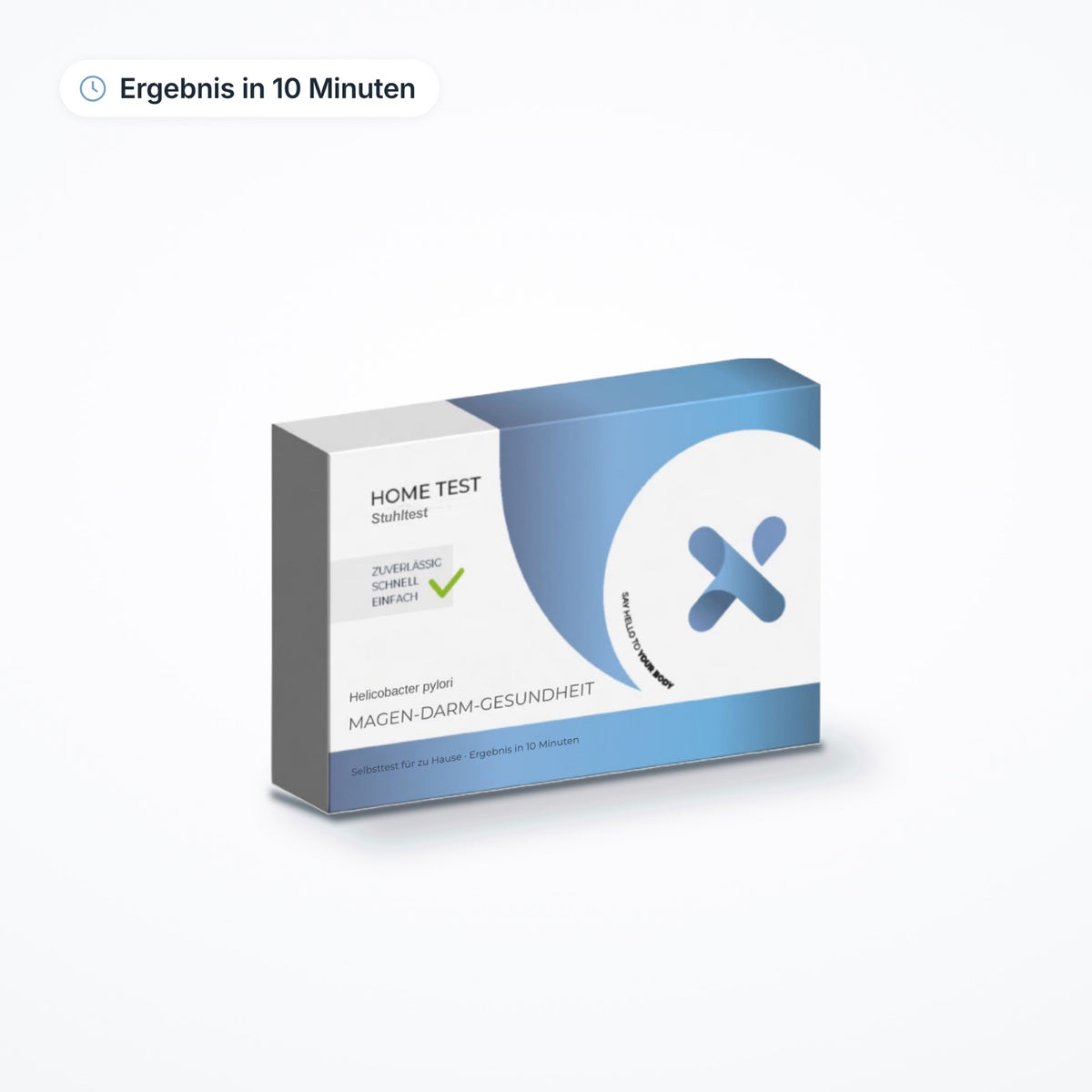
Find out whether you have a Helicobacter pylori infection—simply with a stool sample.


 Medizinische Selbsttests
 30 Tage Geld-Zurück-Garantie
The digestive health self-test includes:
- At-home test kit (stool sample)
- Find out whether you have a gastrointestinal condition
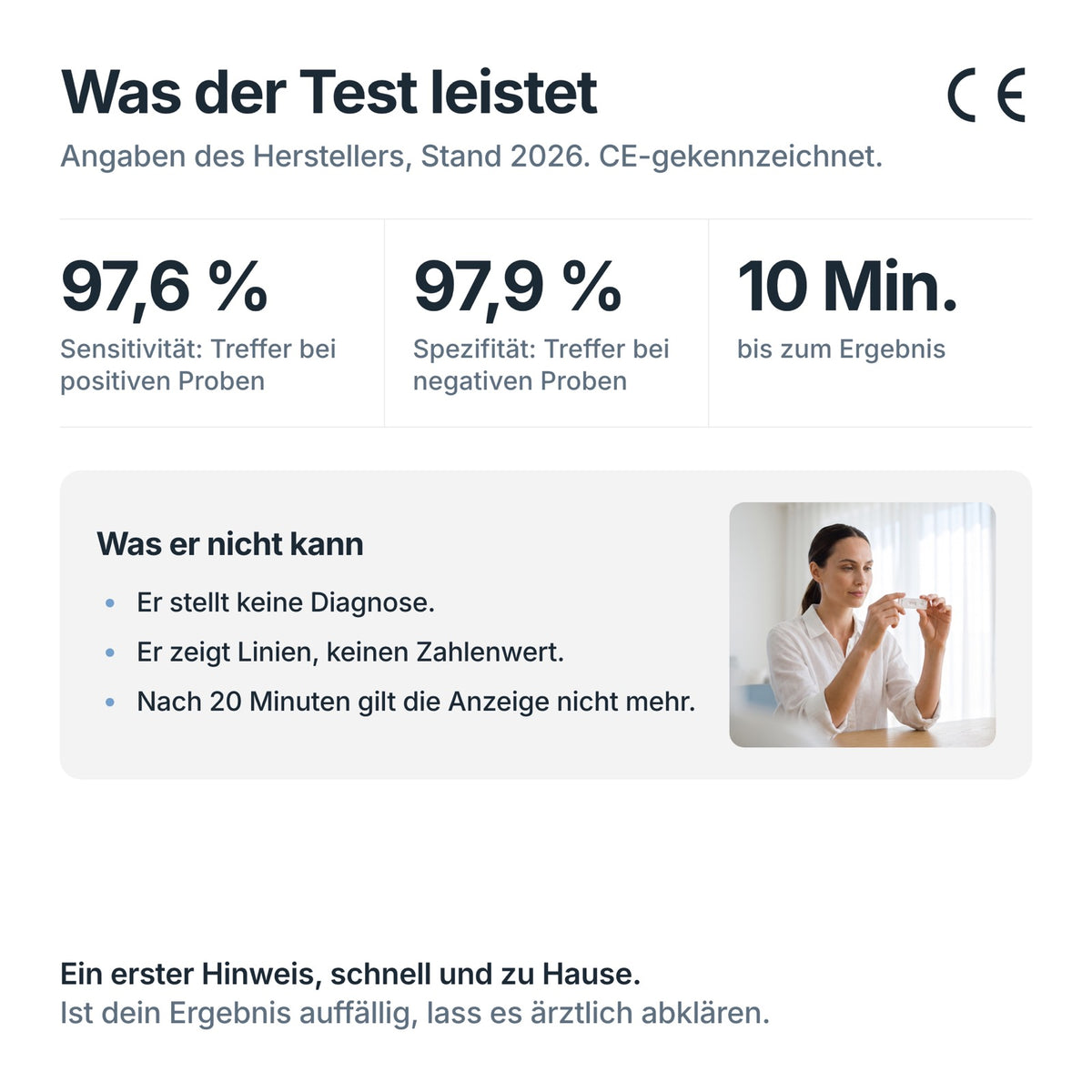
- Results within 10 minutes
What can the digestive health test do?
With the Gastrointestinal Health Self-Test, you can easily check from home whether you may have an infection with the bacterium Helicobacter pylori. The test detects specific antibodies (anti-H. pylori IgG) in stool, which are often elevated when an infection is present. A positive result can be an important indication of possible stomach problems such as inflammation or ulcers—and help you take action at an early stage.
✔️ Better understand stomach discomfort: Helicobacter pylori can cause inflammation of the stomach lining and stomach ulcers
✔️ Avoid long-term consequences: An untreated infection can increase the risk of serious illnesses
✔️ Take control: Recognize your body’s warning signs in good time, make informed decisions, and take responsibility for your well-being
A gastrointestinal health self-test is recommended if...
- you suffer from recurring abdominal pain, nausea, bloating, or digestive problems.
- you have already been diagnosed with stomach or duodenal ulcers.
- you regularly take nonsteroidal anti-inflammatory drugs (NSAIDs) such as ibuprofen or diclofenac.
- there is a family history of stomach cancer or other gastrointestinal diseases.
- you want to check whether a previous Helicobacter pylori infection was successfully treated.
Product description for the digestive health test
Helicobacter pylori (H. pylori) is a spiral-shaped bacterium that lives in the stomach. It is harmless for many people, but in some individuals it can cause stomach inflammation (gastritis), stomach or duodenal ulcers, and an increased risk of stomach cancer. H. pylori is often transmitted through contaminated food or water and can be treated with antibiotics and other medications to eliminate the infection.
Our at-home Helicobacter pylori self-test shows whether you have a Helicobacter pylori infection.
Gastrointestinal health
Developed by doctors
Scientifically sound
Responsible manufacturing
100% customer-oriented

1. Remove the probe
After receiving your test kit, collect your stool sample according to the instructions.

2. Receive results
Within just 15 minutes, you will receive a reliable test result and find out exactly what levels of H. pylori antibodies are present in your body.

3. Achieve health goals
Now you can integrate your personalized, easy-to-understand recommendations into your daily routine and achieve your individual goals.


Do you know your values?
A rapid test is an effective method for detecting a Helicobacter pylori infection accurately and reliably. This allows the infection to be detected early and targeted treatment to be initiated. Treatment generally consists of a combination of antibiotics and acid-reducing medication to eliminate the bacterium and heal the stomach lining.
Specific IgG antibodies against H. pylori are measured—the same values that are also tested in medical laboratories.
Unique: Perform the Helicobacter pylori test conveniently at home.
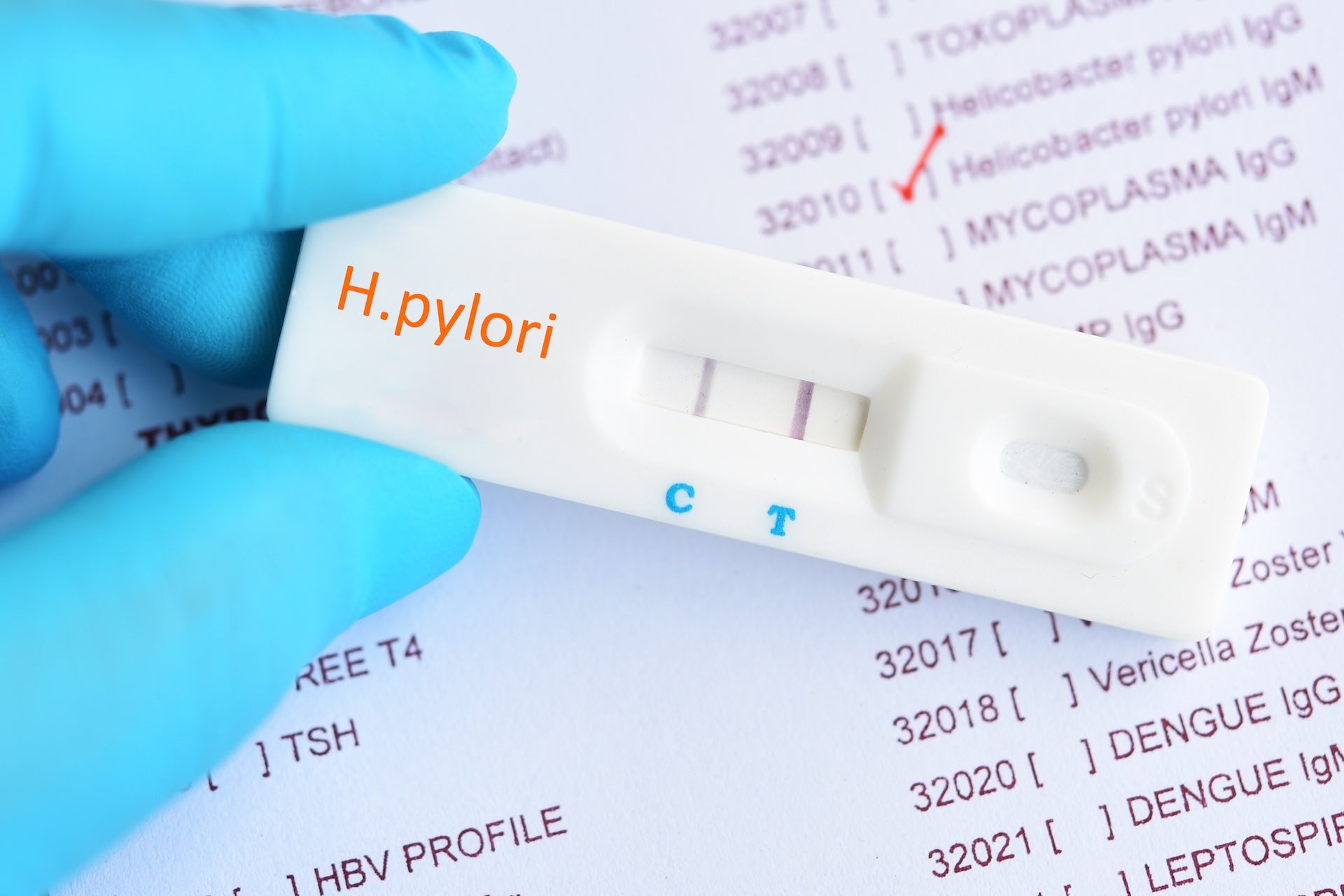
The stool sample shows whether your immune system has reacted to an infection—potentially indicating a current or past colonization of the stomach with the bacterium.
Take a closer look at what you get
With a self-test, you can check your levels up to date from anywhere without visiting a doctor.
Helicobacter pylori self-test in detail
Medicine and science meet ISO-certified laboratory processes

Our tests are developed in close collaboration with experts from various fields, including nutrition and sports science as well as laboratory technology. With many years of experience in the industry and our ISO-certified processes, we ensure the highest quality and reliability.
Thanks to this comprehensive expertise, we offer you products that are not only based on the latest scientific findings, but also meet strict quality standards.

Highest quality standard
ISO-certified analyses & medical self-tests
Expert advice
Free consultation & discussion of the analysis reports
Years of experience
Present across Europe in 12 countries with 11,000+ happy customers
Designed to enhance your quality of life...

Questions? We have the answers!
What is a Helicobacter pylori infection?
A Helicobacter pylori infection is a bacterial infection of the stomach caused by the bacterium Helicobacter pylori. It can lead to gastritis, ulcers, and, in some cases, an increased risk of stomach cancer. Many people have the infection without experiencing symptoms, while others experience abdominal pain, nausea, and digestive problems. Treatment usually involves antibiotics and acid-reducing medications.
How does a Helicobacter pylori infection develop?
Helicobacter pylori is a bacterium that can colonize the stomach lining. It is transmitted primarily from person to person, especially through saliva or contaminated objects. The infection is often acquired during childhood through close contact within the family.
When should you take a test?
Testing for H. pylori is recommended for persistent gastrointestinal symptoms such as heartburn, nausea, a feeling of fullness, or digestive problems. Testing is also advisable if you have been diagnosed with a stomach or duodenal ulcer, regularly take nonsteroidal anti-inflammatory drugs (NSAIDs), or have a family history of gastrointestinal diseases. The test can also help determine whether a previous H. pylori infection was successfully treated.
What will I receive, and how long does the test take?
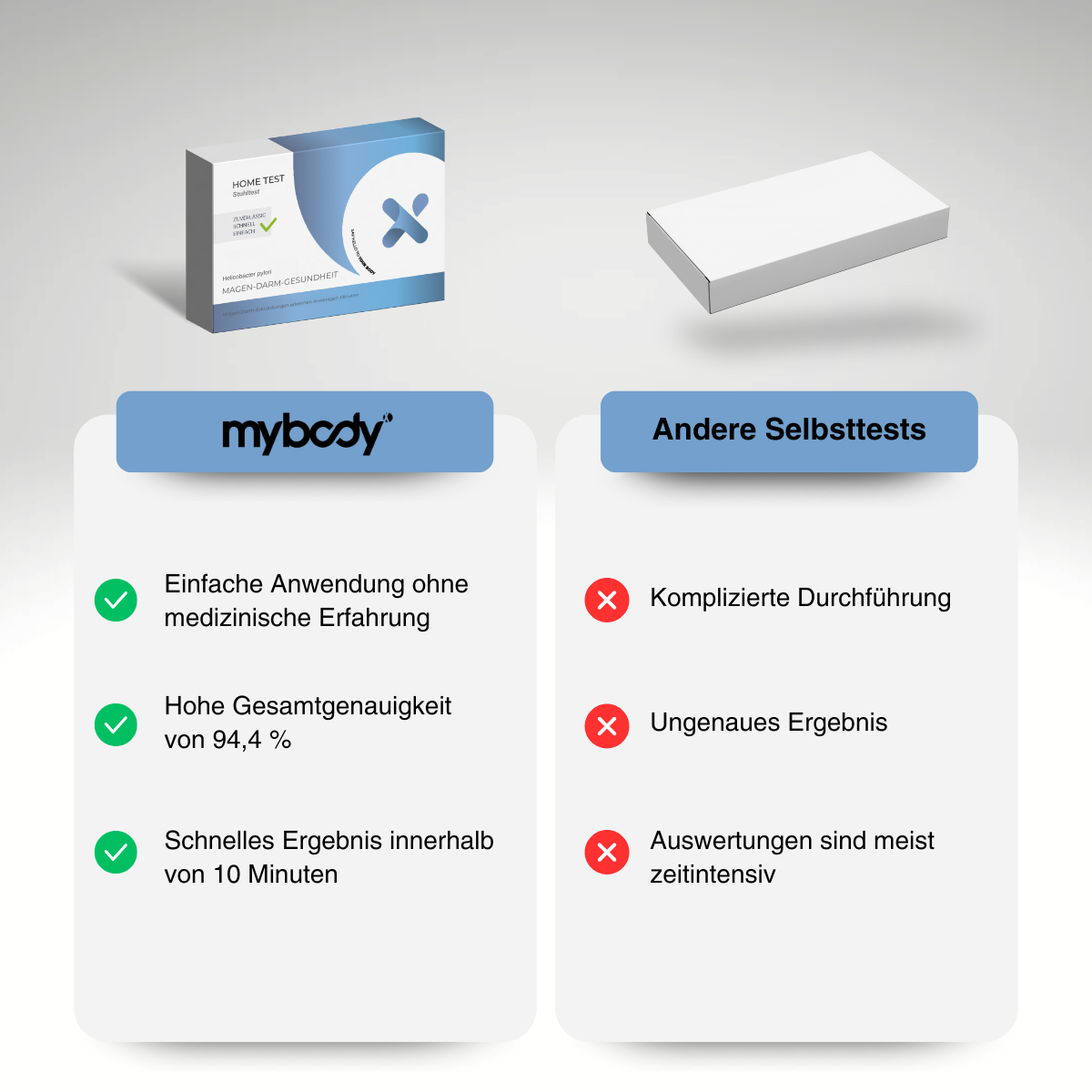
The mybody self-test contains all the necessary materials to perform a stool test at home. It is easy to use and takes only a few minutes. The result is available shortly and provides a quick assessment of whether an H. pylori infection is present.
What consequences can an untreated H. pylori infection have?
If left untreated, an H. pylori infection can lead to chronic gastritis, stomach and duodenal ulcers, and an increased risk of stomach cancer.
What symptoms may indicate an H. pylori infection?
Typical symptoms of an H. pylori infection include:
- Upper abdominal pain or burning
- Nausea and vomiting
- Feeling of fullness and bloating
- Loss of appetite
- Unintentional weight loss
- Frequent belching
- In severe cases: dark stools or blood in the vomit
However, it is important to note that many infections are asymptomatic.
What should I do if the self-test is positive?
A positive test result indicates a possible H. pylori infection. In this case, a doctor should be consulted to confirm the diagnosis and initiate appropriate treatment. Standard therapy generally consists of a combination of antibiotics and acid-suppressing medications to eradicate the bacterium and heal the stomach lining.
What symptoms did you have with Helicobacter?
Helicobacter pylori is a bacterium that can colonize the stomach and cause symptoms in many people affected. Typical symptoms of Helicobacter include persistent stomach pain, a feeling of pressure or fullness after eating, bloating, frequent belching, or nausea. Some people also notice loss of appetite or an unpleasant taste in their mouth. In some cases, it can even lead to unintentional weight loss.
What makes Helicobacter particularly tricky is that it does not always cause severe symptoms right away—some people carry the bacterium for years without noticing anything. However, if the symptoms recur or worsen, you should take them seriously. Left untreated, an infection can contribute in the long term to inflammation of the stomach lining (gastritis), stomach ulcers, or even stomach cancer.
If you suspect that you may have Helicobacter pylori, there are reliable ways to test for it—such as a stool test, breath test, or blood test. An at-home self-test can provide initial guidance and help you quickly gain clarity about your symptoms. If the result is positive, you should always consult a doctor so that the infection can be treated appropriately.
If you’re wondering which Helicobacter pylori symptoms are typical, you should look out for various signs. Many people affected report stomach pain, an unpleasant feeling of fullness after eating, frequent belching, nausea, or even loss of appetite. Bloating and a general feeling of pressure in the upper abdomen are also common. The tricky part is that not everyone notices symptoms right away, as their severity can vary. It’s important to take the symptoms seriously, as an untreated infection can lead to gastritis or stomach ulcers. A Helicobacter test can give you reassurance and clarity.
In addition to classic stomach complaints, many people report Helicobacter symptoms such as fatigue. The bacterium weakens the body because it can impair nutrient absorption in the stomach. As a result, you may quickly feel exhausted, even after getting enough sleep. Fatigue often occurs together with loss of appetite, nausea, or a constant feeling of fullness. Some people also experience difficulty concentrating because the body is under constant stress. If you constantly feel tired for no apparent reason and also have stomach problems, a Helicobacter pylori test can help determine the cause. This allows you to find out whether an infection is actually behind your fatigue.
Did you know that Helicobacter symptoms can also be visible on the tongue? Many people affected report a bitter or metallic taste in the mouth, often accompanied by a white coating on the tongue. This coating is caused by changes in the stomach flora and may be associated with bad breath. A persistently dry mouth or a furry feeling on the tongue are also typical signs. Since such symptoms can easily be overlooked or attributed to other causes, it is important to pay attention to the combination of tongue changes and stomach problems. A Helicobacter pylori test will quickly give you clarity.
Understanding stomach problems – Why a self-test can give you clarity about your health
Helicobacter pylori Test – Keep an eye on your health. Do you often experience stomach problems, nausea, or an uncomfortable feeling of fullness? Our Helicobacter pylori self-test for home use helps you better understand the cause of your symptoms. The test measures antibodies against the bacterium H. pylori, which is often behind persistent stomach irritation. When detected early, the infection can be treated specifically—for a healthier gut and a better quality of life.
Stomach problems such as nausea, bloating, or loss of appetite may indicate a Helicobacter infection. However, you don’t have to see a doctor right away: with our gastrointestinal self-test, you can discreetly test at home to find out whether Helicobacter pylori is active in your body. The test gives you quick peace of mind—without any waiting time at the doctor’s office. This allows you to take timely action if needed and actively improve your gastrointestinal health.
Helicobacter pylori Test – Peace of mind for your well-being. Digestive problems, pressure in the upper abdomen, or loss of appetite may indicate an infection with Helicobacter pylori. With our home test, you can easily and discreetly check whether your body is reacting to the stomach bacterium. A quick test gives you certainty—and enables you to take an active role in protecting your health.
A healthy stomach is the foundation of your well-being. However, the bacterium Helicobacter pylori can quietly cause inflammation of the stomach lining—and is often detected far too late. With our reliable Helicobacter self-test, you can independently check from home whether your body is affected. This helps protect you from chronic symptoms and support your digestion and stomach health before more serious problems develop.
Helicobacter pylori self-test – easy monitoring. H. pylori infections often remain undetected for a long time and can lead to chronic symptoms or ulcers. The self-test allows you to perform a simple check at home—without a doctor’s appointment. This way, you can identify potential risks early and take action in time. Your gastrointestinal health begins with a test.
Do you regularly experience a feeling of fullness, pressure in your stomach, or heartburn—especially after eating? An infection with Helicobacter pylori could be behind it. The bacterium settles in your stomach lining and can cause long-term irritation and inflammation there. With the at-home Helicobacter test, you can conveniently find out whether you are affected. This allows you to identify possible causes of your symptoms at an early stage and take targeted action—for lasting stomach health.