

Anti-inflammatory foods: The best list
Anti-inflammatory foods are plant-based, nutrient-rich foods whose constituents actively dampen inflammatory processes in the body. They include, above all, green vegetables such as spinach and broccoli, berries such as blueberries and raspberries, as well as omega-3-rich oils and fatty fish. These foods act not only directly on immune cells but also through the gut microbiome, which produces anti-inflammatory metabolic byproducts. Anyone who knows and consistently follows their anti-inflammatory food list can noticeably reduce low-grade inflammation in the body.
1. Which foods have the strongest anti-inflammatory effects?
The most effective anti-inflammatory diet, as nutrition medicine experts refer to the concept, is based on a plant-focused dietary pattern with a wide variety of food groups. No single superfood is enough. It is about how they work together.
Green vegetables
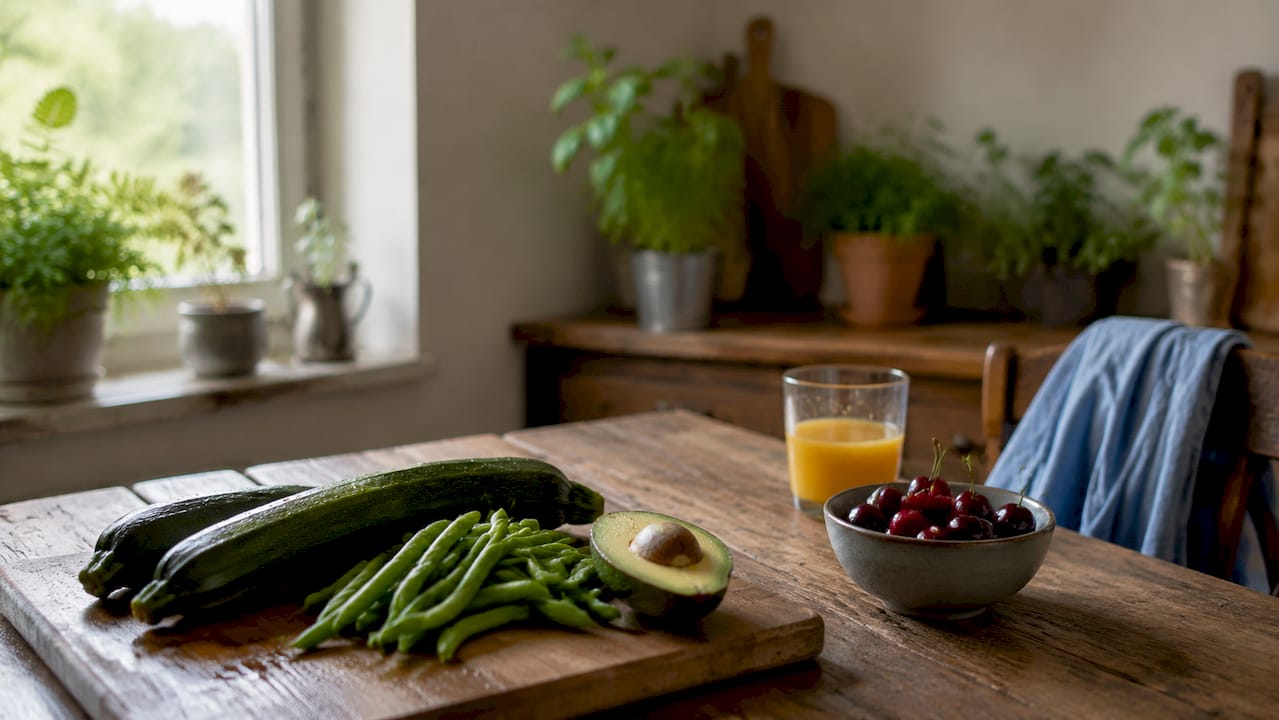
Spinach, kale, and broccoli provide polyphenols, vitamin C, and phytonutrients that neutralize free radicals. Broccoli also contains sulforaphane, a compound that can lower inflammatory markers in the blood. Eating one serving of these vegetables daily takes little effort but makes a real difference.
Berries
Blueberries, raspberries, and strawberries are among the foods richest in polyphenols. Their anthocyanins—the pigments that make them blue or red—inhibit inflammatory pathways at the cellular level. Fresh or frozen, both work well.
Nuts and seeds
Walnuts, flaxseeds, and chia seeds provide plant-based omega-3 fatty acids. Among nuts, walnuts have the most favorable omega-3-to-omega-6 ratio. A small handful a day is enough.
Plant-based oils
Olive oil and rapeseed oil are the best everyday oils for an anti-inflammatory diet. Olive oil contains oleocanthal, which acts on inflammatory enzymes similarly to ibuprofen. When cold-pressed and stored in a dark place, it delivers its full benefits.
Fatty fish
Salmon, mackerel, and herring provide marine omega-3 fatty acids, specifically EPA and DHA. These strengthen cell membranes and slow inflammatory signals. Two servings per week are considered a sensible amount.
Spices
Turmeric, ginger, garlic, and chili are not decorations. Curcumin from turmeric, gingerols from ginger, and capsaicin from chili have anti-inflammatory and pain-relieving effects. Turmeric is best absorbed together with black pepper because piperine significantly improves the absorption of curcumin.
Whole grains and legumes
Oatmeal, whole-grain bread, lentils, and chickpeas provide fiber that nourishes the gut microbiome. The microbiome converts it into short-chain fatty acids, which reduce inflammation in the gut and throughout the body.
Pro tip: Always combine turmeric with a pinch of black pepper. Piperine increases the bioavailability of curcumin many times over.
2. How do fiber, healthy fats, and spices work together?
The synergistic effect of fiber, high-quality fats, and spices is the true core of an anti-inflammatory diet. Individual nutrients have an effect, but their combination is even more effective.
-
Fiber as a foundation: The German Nutrition Society recommends at least 30 g of fiber per day. Fiber has a prebiotic effect: it nourishes beneficial gut bacteria, which then produce anti-inflammatory substances. Anyone who regularly eats legumes, whole grains, and vegetables can reach this amount with ease.
-
Omega-3 fatty acids for cell protection: Fatty fish and flaxseeds provide omega-3 fatty acids, which are incorporated into cell membranes and weaken inflammation signals. At the same time, consumption of oils rich in omega-6, such as sunflower oil, must be reduced; otherwise, the balance can tip.
-
Spices as boosters: Curcumin, gingerols, and capsaicin directly intervene in inflammatory pathways. They inhibit certain enzymes that activate inflammatory mediators. A teaspoon of turmeric in your food every day or fresh ginger in tea is enough to have a noticeable effect.
-
Polyphenols from berries and vegetables: These secondary plant compounds protect cells from oxidative stress. Oxidative stress is one of the main drivers of chronic inflammation. Eating berries or dark leafy greens every day continuously supplies the body with these protective compounds.
-
Practical everyday combination: Breakfast consisting of oats with blueberries and flaxseeds, lunch with lentil salad and olive oil, and dinner with salmon and broccoli. It sounds simple because it is simple. And that is precisely the point.
Pro tip: Anyone who wants to build up their gut flora should combine at least three different sources of fiber every day, such as oats, lentils, and broccoli.
3. Which foods promote inflammation and should be avoided?
Eliminating inflammation-promoting foods is just as important as adding beneficial ones. Processed and sugar-rich foods promote the growth of unfavorable gut bacteria and increase inflammation. If you only add on one side without cutting back on the other, you lose much of the benefit.
You should significantly reduce these foods:
- Highly processed convenience foods: Frozen pizzas, instant soups, and processed meats often contain additives, preservatives, and hidden sugars that increase inflammatory markers.
- Refined sugar and sweets: Soft drinks, gummy candies, and cookies cause blood sugar to rise and fall quickly. This triggers inflammatory reactions and promotes unfavorable gut bacteria.
- White flour products: White bread, regular pasta, and toast contain hardly any fiber and have a high glycemic index. They provide energy but no protection.
- Too much red meat: Red meat and processed meats contain arachidonic acid, an omega-6 fatty acid that promotes inflammatory messengers. Occasionally is not a problem, but eating it daily is.
- Industrial trans fats: Hydrogenated fats in puff pastry, chips, and some baked goods are particularly harmful. They disrupt cell membrane function and directly intensify inflammatory processes.
- Omega-6-rich heated oils: Sunflower oil and corn oil have an unfavorable omega-6-to-omega-3 ratio. Heating also produces oxidized fatty acids.
The key point is this: If you eat omega-3 sources such as salmon and flaxseeds but also consume processed foods and sugar every day, you undo some of the positive effects. The overall balance has to be right.
4. The practical shopping and meal list for everyday life
An anti-inflammatory diet does not have to be expensive or complicated. Local superfoods such as blueberries, redcurrants, onions, and parsley are just as effective as expensive exotic products. The supermarket around the corner is perfectly sufficient.
Overview: Everyday foods that fight inflammation
| Category | Recommended foods | Preparation tip |
|---|---|---|
| Vegetables | Spinach, kale, broccoli, onions | Steam briefly or eat raw; vitamins are retained |
| Berries and fruit | Blueberries, raspberries, redcurrants, apples | Fresh or frozen, one portion daily |
| Grains and legumes | Oats, whole-grain bread, lentils, chickpeas | Include as the basis of every meal |
| Nuts and seeds | Walnuts, flaxseeds, chia seeds | A small handful daily, unsalted |
| Oils | Olive oil, cold-pressed rapeseed oil | For salads and steaming; do not heat intensely |
| Fish | Salmon, mackerel, herring | Two portions per week, steamed or baked |
| Spices | Turmeric, ginger, garlic, chili | Use daily; combine turmeric with pepper |
Example of a daily meal plan
A specific day could look like this: Breakfast with oats, chia seeds, and frozen blueberries. Lentil salad with olive oil, parsley, and onions for lunch. Mackerel with steamed broccoli and a slice of whole-grain bread for dinner. A handful of walnuts as a snack between meals.
This is not a diet plan. It is a shopping basket that builds up over weeks and months. Using the Mediterranean diet as a guide is a very good approach because it places exactly these foods at the center.
One more practical note about portion sizes: Nuts and seeds are high in calories. A handful, or about 30 g, is a sensible daily amount. More does not provide any additional benefit, but does add calories. The same applies to olive oil: one to two tablespoons per meal are ideal.
Anyone who wants to know how their own gut health and microbiome respond to their diet can now find out with a simple home test. The microbiome is the central mechanism through which anti-inflammatory foods exert their effects.
Key insights
The most effective anti-inflammatory diet combines fiber, omega-3 fatty acids, and polyphenols from local foods every day, because only this combination stimulates the gut microbiome to produce anti-inflammatory compounds.
| Topic | Details |
|---|---|
| Most important food groups | Green vegetables, berries, nuts, fatty fish, and spices form the foundation of any anti-inflammatory diet. |
| Eat fiber every day | At least 30 g per day from whole grains, legumes, and vegetables actively support the gut microbiome. |
| Avoid inflammation-promoting foods | Sugar, white flour, trans fats, and highly processed products partly cancel out the positive effects. |
| Use local superfoods | Blueberries, blackcurrants, onions, and parsley are just as effective as expensive exotic alternatives. |
| Use spices strategically | Use turmeric with pepper, ginger, and garlic every day because their active compounds directly affect inflammatory pathways. |
What I have really learned after years of following an anti-inflammatory diet
Most people are looking for a miracle food. Açaí, moringa, spirulina. I went along with it myself for a while. Then I realized: The difference does not come from superfood powder in a smoothie, but from what ends up on your plate every day.
What really surprised me: Local foods almost always outperform exotic trends in practice. Fresh blueberries from Germany, walnuts from the region, broccoli from the farmers’ market. This is not romanticizing. It is simply cheaper, fresher, and just as effective.
The second point I consider underestimated: what you leave out. If you eat salmon every day but have chips and soft drinks in the evening, you have gained little. The balance of healthy and unhealthy foods is what matters—not the individual superfood.
And one more thing I only understood late: The gut microbiome is where the real action takes place. Regularly eating fiber, polyphenols, and healthy fats changes your gut flora. This takes weeks, sometimes months. If you feel no effect after three days and give up, you have not understood the principle. Patience here is not a cliché but biology.
Nutrition medicine experts recommend a plant-based dietary pattern as a whole, rather than focusing on individual foods. That aligns with my experience. Once you understand this, you stop searching for the one solution and start simply eating better.
— mybody x
Your next step: Understand gut health in a targeted way
An anti-inflammatory diet works primarily through the gut microbiome. But how well is your gut flora really doing? And which foods are specifically suited to your body?

mybody x offers certified microbiome analyses that you can conveniently perform at home. You receive a scientifically evaluated result with personalized dietary recommendations tailored to your individual gut profile. More than 11,300 satisfied customers have already chosen this approach. Find out what mybody x can do for your gut health and nutrition.
FAQ
What are anti-inflammatory foods?
Anti-inflammatory foods are foods that actively curb inflammatory processes in the body through compounds such as polyphenols, omega-3 fatty acids, and phytonutrients. These primarily include green vegetables, berries, nuts, oily fish, and spices such as turmeric and ginger.
How quickly does an anti-inflammatory diet work?
A noticeable effect on the gut microbiome and inflammatory markers generally appears after several weeks of consistent dietary changes. Individual meals do not change anything, but dietary patterns over weeks and months do.
Which spices have the strongest anti-inflammatory effects?
Turmeric, ginger, garlic, and chili are among the most effective anti-inflammatory spices. Their active compounds curcumin, gingerols, and capsaicin directly inhibit inflammatory enzymes in the body.
Do I need to buy expensive superfoods to reduce inflammation?
No. Local foods such as blueberries, blackcurrants, onions, and parsley are just as effective as exotic alternatives. The focus should be on variety and consistency, not expensive individual products.
Which inflammatory markers in the blood show whether the diet is working?
Inflammatory markers such as CRP (C-reactive protein) and interleukin-6 can be measured in the blood. A guide to inflammatory markers explains what these values mean and how diet affects them.



Share now:
What boosts the metabolism? 10 effective tips & test
How to Boost Your Metabolism: Understand It and Put It into Practice Now