

Electrolytes: When should you consume them?
Electrolyte drinks and powders have long been more than a topic for competitive athletes. But does everyone really need additional electrolytes—or is it often just clever marketing?
You should specifically consume electrolytes when you lose a lot or take in too little: during intense or prolonged exercise, heavy sweating in the heat, illness involving diarrhea or vomiting, and very low-carbohydrate diets. For most people with a balanced diet, however, regular food adequately meets their needs—additional electrolytes are therefore unnecessary and may even be unfavorable in excess.
It is best to read this article from the basics through to the specific situations: First, you will learn what electrolytes are and why your body needs them, then you will look at each situation to understand when additional intake may be beneficial—and when it is not.
What to expect in this article
When are additional electrolytes useful?
How can you tell if you have an electrolyte deficiency?
How much do you need—and can you take too much?
Electrolytes through diet or supplements?
When You Do Not Need Additional Electrolytes
Know your mineral status
Context: What a test can—and cannot—do
Conclusion
Frequently asked questions (FAQ)
Sources
Electrolytes is a collective term for several minerals that exist in electrically charged form in the body. This overview shows the most important ones, their functions, and how to get them through your diet:
| Electrolyte | Function in the body | Good food sources |
|---|---|---|
| Sodium | Fluid balance, nerves, muscles | Table salt, bread, processed foods |
| Potassium | Muscle and heart function, blood pressure | Vegetables, fruit (e.g. banana), potatoes, legumes |
| Magnesium | Muscles, nerves, energy metabolism | Nuts, whole grains, green vegetables, legumes |
| Calcium | Bones, muscle contraction, nerves | Dairy products, green vegetables, calcium-rich water |
| Chloride | Fluid balance, stomach acid | Table salt (sodium chloride) |
An overview of the four most common situations in which additional intake may be beneficial:
Long & intense sessions
After about an hour of strenuous activity with heavy sweating, significant amounts of sodium are lost.
Heavy sweating
In hot conditions and during physical work, you primarily lose sodium through sweat.
Diarrhea & vomiting
This causes significant fluid and electrolyte loss—rehydration solutions can help.
Keto & fasting
When carbohydrate intake is very low, the body excretes more sodium.
What are electrolytes, and why does your body need them?
Electrolytes are minerals that carry an electrical charge when dissolved. The most important include sodium, potassium, magnesium, calcium, and chloride. They regulate key processes in your body—from fluid balance and the transmission of nerve signals to muscle contraction, including your heartbeat.
Put simply, electrolytes ensure that your cells maintain the right electrical charge and that signals can be transmitted. When their balance is disrupted, you quickly notice it—for example through muscle cramps, fatigue, or circulatory problems.
Key message: Electrolytes are not a niche topic for athletes; they are vital to every cell. What matters is not “as much as possible,” but a balanced equilibrium—which the body normally regulates itself.
Sodium and chloride—the salt component
Sodium and chloride together make up table salt (sodium chloride) and primarily regulate fluid balance and blood pressure. Sodium is the electrolyte you lose most heavily when you sweat, which is why nearly all discussions of sports electrolytes focus on sodium.
Potassium—the counterpart
Potassium works together with sodium and is particularly important for muscle and heart function as well as healthy blood pressure. It is abundant in vegetables, fruit, potatoes, and legumes—a plant-focused diet generally provides enough.
Magnesium and calcium—muscles and bones
Magnesium is involved in hundreds of metabolic processes and plays a role in muscle relaxation and energy production. Calcium is primarily important for bones and muscle contraction. You can get plenty of both from nuts, whole grains, green vegetables, and dairy products.
How does your body maintain balance?
Your body regulates its electrolyte balance very precisely—primarily through the kidneys and various hormones. If you take in too much of an electrolyte, your body will generally excrete the excess; when there is a deficiency, it retains more of it. That’s why healthy people with a balanced diet rarely become unbalanced. It only becomes critical when losses are very high or regulation is disrupted, for example by illness or medication.
When are additional electrolytes useful?
Additional electrolytes can be useful when your body loses more than usual or takes in less than usual. In these four situations, it’s worth paying closer attention to your intake.
During intense or prolonged exercise
When you exercise, you lose fluids and sodium through sweat. For short, easy sessions, water is perfectly sufficient. Only during prolonged or intense exercise does replenishing electrolytes become relevant.
During intense exercise lasting more than about an hour—especially in hot conditions—it’s advisable to consume sodium in addition to fluids to replace what is lost through sweat (ACSM, 2007; DGE Sports Nutrition Working Group, 2020).
In practical terms, this means that for a workout lasting under an hour, you generally don’t need electrolytes—just water. By contrast, if you run or cycle for a long time or sweat heavily in the heat, you can benefit from an electrolyte-containing drink, such as a juice spritzer with a pinch of salt or a purpose-made sports drink.
How much you lose varies from person to person: some people sweat more heavily or have “saltier” sweat than others, as shown by white salt marks on the skin or clothing after training. If this applies to you and you regularly complete long workouts, you should be more mindful of replacing sodium than someone who sweats only a little.
In hot weather and with heavy sweating
Even without exercising, you can sweat heavily in very hot weather or while doing physical work outdoors, losing sodium in the process. Anyone who sweats heavily on hot days should drink enough and ensure adequate salt intake—for very heavy sweating throughout the day, an electrolyte drink may be useful.
Muscle cramps, dizziness, or headaches in hot weather are warning signs of an imbalance. They signal that you should slow down, move into the shade, and replace fluids and electrolytes.
During illness with diarrhea or vomiting
With gastrointestinal infections involving diarrhea or vomiting, the body loses a great deal of fluid and electrolytes in a short time. This is when targeted replacement is particularly important—especially for children and older people.
For diarrhea and vomiting, oral rehydration solutions made from water, salt, and sugar are the treatment of choice for replacing fluids and electrolytes (World Health Organization, WHO).
These solutions are available ready-made at pharmacies. However, persistent or severe diarrhea, high fever, blood in the stool, or signs of dehydration require medical attention—especially in infants, young children, and older or weakened people.
With a low-carbohydrate diet or fasting
With a very low-carbohydrate diet, such as keto, or while fasting, insulin levels drop, causing the kidneys to excrete more sodium. This explains why some people experience fatigue, headaches, and circulatory problems during the first few days of switching to a low-carb diet—often called “keto flu.”
In this situation, consciously increasing your intake of sodium (a little more salt), potassium, and magnesium may relieve symptoms. It is important not to overdo it without good reason, but to adjust your intake to your actual needs and personal tolerance.
With certain medications and life circumstances
Some medications—such as diuretics or laxatives—affect electrolyte balance. Pregnancy, breastfeeding, and certain medical conditions can also change your needs. In these cases, you should not start taking additional electrolytes on your own; consult a doctor first, because too much or too little can have serious consequences.
How can you tell if you have an electrolyte deficiency?
An electrolyte imbalance often presents with nonspecific symptoms—they can also have many other causes. Typical signs include muscle cramps and twitching, fatigue and weakness, headaches, dizziness, and a pounding or irregular heartbeat.
Precisely because these symptoms are so nonspecific, a deficiency cannot be determined from symptoms alone. For example, muscle cramps during sports are often casually attributed to magnesium deficiency, even though the causes are varied—from overexertion to dehydration.
Key message: Symptoms such as muscle cramps or fatigue are indicators, but not proof, of an electrolyte deficiency. Only a blood test interpreted in a medical context can provide certainty.
Take persistent or severe symptoms seriously: A significantly disrupted electrolyte balance—especially involving sodium or potassium—can affect heart rhythm and requires medical evaluation. Self-supplementing without knowing the cause is not a good idea in this situation.
It is helpful to consider the circumstances: If the symptoms occur after heavy sweating, a gastrointestinal illness, or a change in diet, an electrolyte-related cause is more likely. If there is no such trigger and the symptoms persist, other causes should also be medically evaluated—from thyroid function to iron status.
How much do you need—and can you take too much?
A balanced diet can usually provide enough electrolytes; the German Nutrition Society (DGE) provides recommended reference values. In Germany, the reality is even the opposite when it comes to sodium: Most people consume too much salt through processed foods rather than too little.
The takeaway: More is not better. Consistently high salt intake has been linked to elevated blood pressure. And even targeted replenishment during sports has a dangerous downside that is often underestimated.
Drinking too much while consuming too little sodium during prolonged endurance exercise can lead to dangerous dilutional hyponatremia (an excessively low sodium level) (Hew-Butler et al., 2017).
This means that someone who drinks liters of plain water during a marathon without replacing sodium is more likely to run into problems than someone who drinks moderately and includes electrolytes. The right amount is therefore based on actual losses—not on the principle of “as much as possible.” People with kidney or heart disease need to be especially cautious; in these cases, electrolyte intake should be managed by a doctor.
A simple rule of thumb for everyday life is to listen to your thirst and bodily signals rather than rigidly drinking toward fixed liter targets. In healthy people, thirst is a reliable regulator. Only during very long periods of exertion, in hot weather, or when ill is it worth managing your intake more consciously—and then keeping an eye on electrolytes as well.
Electrolytes through diet or supplements?
For everyday life, the best way to get electrolytes is through your normal diet. A varied, nutritious diet with vegetables, fruit, nuts, whole grains, legumes, and— in moderation—salt generally provides everything your body needs.
Specifically, this means: a banana or potatoes for potassium, nuts and whole grains for magnesium, dairy products or green vegetables for calcium, and normal, moderate use of salt for sodium. This provides most people with everything they need.
Supplements or electrolyte drinks are mainly useful in the exceptional situations mentioned above: prolonged exercise, heavy sweating, illness involving fluid loss, or a very low-carbohydrate diet. As a long-term solution for healthy, normally active people, they are usually unnecessary—and you should take individual high-dose minerals only after a deficiency has been confirmed and ideally under medical supervision.
It is also worth checking the ingredients list: Many electrolyte products contain plenty of sugar, flavorings, or sweeteners. During prolonged exercise, some sugar can be useful because it supports the absorption of sodium and water—in everyday life, it is usually unnecessary. If you mix your own, you have complete control: Water, a pinch of salt, and a little juice are enough for most situations.
When You Do Not Need Additional Electrolytes
The “when” is just as important as the “when not.” With normal physical activity, moderate temperatures, and a balanced diet, you do not need additional electrolytes. A short workout, a walk, or a normal day at the office can easily be managed with water.
Electrolyte drinks often contain added sugar and calories that you do not need in these situations. Consuming them as everyday drinks offers healthy people no benefit and may even be counterproductive when it comes to sodium. In short: Electrolytes are a tool for special situations, not a daily necessity.
The same applies to most recreational athletes: If you train for an hour three times a week and eat a balanced diet, you do not need special electrolyte products. They are mainly useful for ambitious endurance sports, physically demanding work in hot conditions, or the exceptional situations mentioned above—not for the average training routine.
Key message: For healthy people with a balanced diet and normal activity levels, additional electrolytes are generally unnecessary—water and a varied diet are more than sufficient.
Know your mineral status
If you have recurring complaints such as fatigue or muscle cramps and want to know whether your mineral levels are in the healthy range, getting a baseline assessment can help. A blood test shows your actual levels—instead of supplementing on suspicion.
The Nutrient | VitalCheck Complete from mybody® (MYBODY Lab GmbH) measures 15 markers from an at-home capillary blood sample—including the electrolytes sodium, calcium, and magnesium, as well as vitamin D, B12, iron (ferritin), zinc, and selenium. The sample is analyzed in an ISO-certified, GDPR-compliant laboratory. To be clear: potassium is not included in this test, and a self-test does not replace a medical diagnosis.
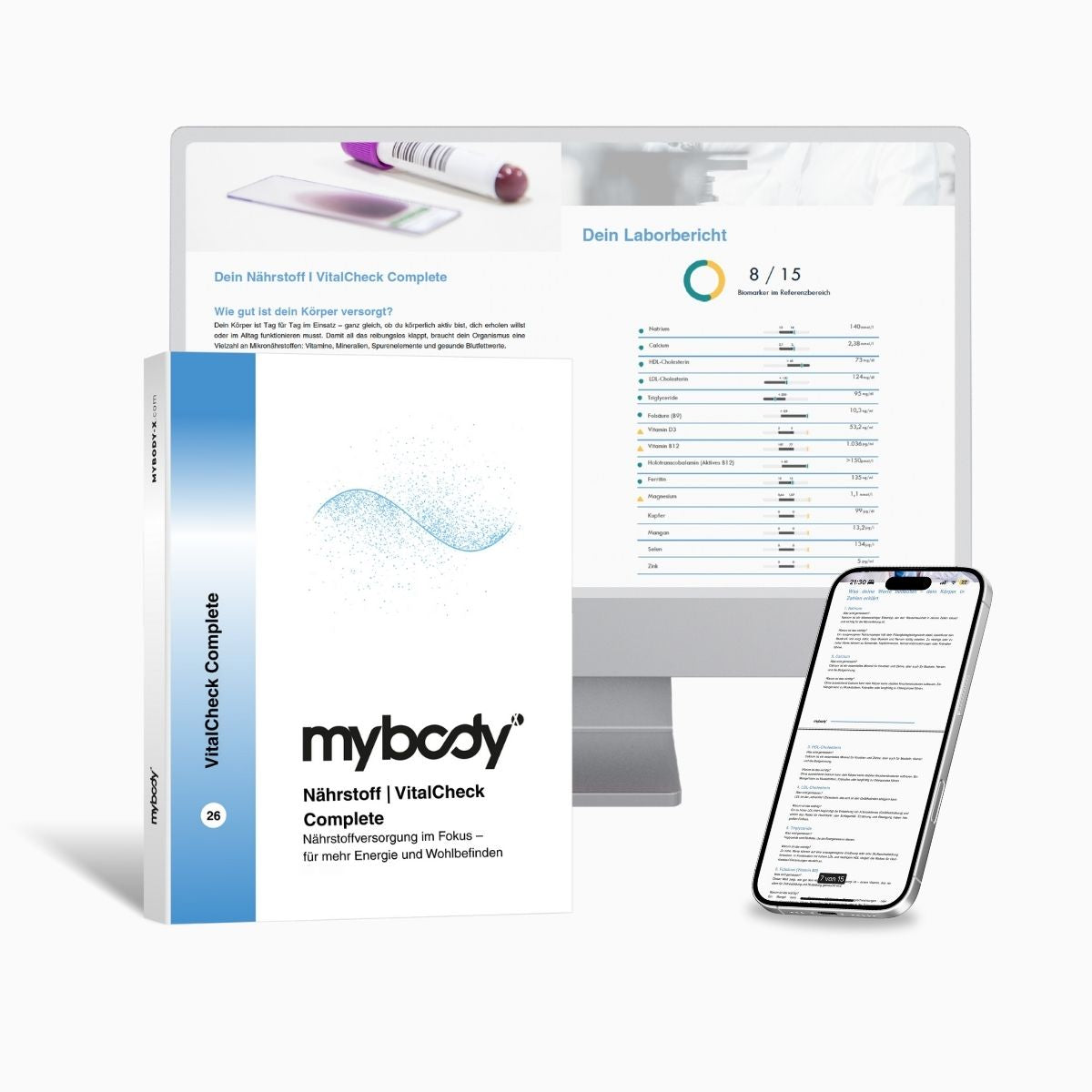
Nutrient | VitalCheck Complete
Comprehensive at-home blood analysis—including the minerals sodium, calcium, and magnesium, as well as important vitamins and trace elements. For a well-founded overview of your nutrient and mineral status.
Price: €169.00 (instead of €199.00) · Sample type: Capillary blood (at home) · Processing time: approx. 10–15 business days · Laboratory: ISO-certified, GDPR-compliant
View the Nutrient CheckInformation on price, sample type, processing time, and markers comes from the mybody® product page (as of July 2026) and may change. A self-test does not replace a medical diagnosis.
Context: What a test can—and cannot—do
A blood test can show individual mineral levels and give you an indication of whether they are within the normal range. It is therefore a helpful tool to avoid supplementing blindly—but it does not replace a medical diagnosis.
It is also important to note that the electrolyte level in your blood is a snapshot and is tightly regulated by the body. An acute imbalance, for example after heavy sweating or during illness, may not necessarily be reflected in a routine test. Abnormal values or persistent symptoms should therefore always be assessed by a doctor.
Therefore, use a test as a supplement, not a substitute: as a snapshot of your current status and as preparation for a conversation with your doctor, who will make decisions about diagnosis and treatment.
Conclusion
You should consume electrolytes specifically when your body is losing a lot or taking in very little: during prolonged or intense exercise, heavy sweating in hot weather, illness involving diarrhea or vomiting, and very low-carbohydrate diets. In these situations, an electrolyte-containing drink or rehydration solution can help restore the balance.
For everyday life with a balanced diet, you generally do not need additional electrolytes—in fact, when it comes to sodium in particular, most people consume too much rather than too little. Pay attention to your body's signals, meet your needs primarily through your diet, and have persistent symptoms or abnormalities assessed by a doctor. A mineral test can provide you with an initial indication.
Frequently asked questions (FAQ)
Instead of guessing: know your levels
Sodium, calcium, magnesium, and other nutrients as a baseline assessment: The nutrient | VitalCheck Complete measures these values from an at-home blood sample – ISO-certified and GDPR-compliant.
Discover nutrient testsYou might also be interested in
→ At-home vitamin and mineral test
How to check and assess your vitamin and mineral intake.
→ Test for nutrient deficiencies: Recognize symptoms and address them specifically
Which signs indicate a deficiency and what really helps.
Sources
- American College of Sports Medicine (ACSM), Sawka, M. N. et al. (2007): “Exercise and Fluid Replacement" (Position Stand, Medicine & Science in Sports & Exercise) – fluid and sodium replacement during exercise. pubmed.ncbi.nlm.nih.gov
- Sports Nutrition Working Group of the German Nutrition Society (DGE) (2020): “Fluid Replacement in Sports" – recommendations on fluids and electrolytes. germanjournalsportsmedicine.com
- World Health Organization (WHO): “Oral rehydration salts" – composition and use of oral rehydration solutions. who.int
- Hew-Butler, T. et al. (2017): “Exercise-Associated Hyponatremia: 2017 Update" (Frontiers in Medicine) – risk of dilutional hyponatremia. frontiersin.org
- German Nutrition Society (DGE) – Reference values and recommendations for minerals. dge.de
The recommendations on exercise and sweat losses are based on [1][2], those on oral rehydration during illness on [3], the warning about dilutional hyponatremia on [4]; general reference values are based on [5]. Product-related information from mybody® (price, sample type, processing time, markers) comes from the respective product page on mybody-x.com and may change.

mybody® Editorial & Specialist Team
This article was created by the mybody® editorial and specialist team, which brings together expertise in nutritional science, blood analysis interpretation, laboratory diagnostics, and sports and metabolic science. Learn more about our team on our editorial and authors page.
Published on July 24, 2026 · Last updated on July 24, 2026
Medical notice: This article is for general information only and does not replace medical advice, diagnosis, or treatment. If symptoms persist, you have pre-existing conditions (e.g., affecting the heart or kidneys), or you take medication, please consult a doctor.




Share now:
Sudden weight gain and fatigue: possible causes and what may be behind them
What do electrolytes in the blood indicate? What the values mean