

Mineral Tests 2026: Detect Deficiencies Early and Optimize Health
Nearly half of the population suffers from undiagnosed mineral deficiencies that affect energy, immune function, and well-being. Many believe mineral tests are necessary only for acute complaints—a dangerous misconception. This article explains how mineral tests work, which deficiencies are most common, and how personalized analyses can sustainably optimize your health.
Table of contents
- What are mineral tests and why are they important?
- How do mineral tests work?
- Which mineral deficiencies are common, and why?
- Common misconceptions about mineral tests
- Personalized health through mineral analysis
- Mineral tests as part of preventive healthcare
- How mybody® supports you in preventive healthcare
- Frequently asked questions
Key findings
| Point | Details |
|---|---|
| Precise diagnostics | Mineral tests identify individual deficiencies before symptoms occur. |
| Blood test as the standard | Blood tests provide the most accurate results compared with hair or saliva tests. |
| Common deficiencies | Magnesium and vitamin D deficiencies affect millions, often without noticeable warning signs. |
| Prevention instead of reaction | Regular testing prevents chronic diseases and increases performance. |
| Personalized strategies | Individual dietary recommendations improve fitness, energy, and long-term health. |
What are mineral tests and why are they important?
Minerals are essential for metabolism and regulate hundreds of biochemical processes in your body. From bone formation and nerve function to energy production—without an adequate supply, the body falls out of balance. Mineral tests measure your individual nutrient status and identify deficiencies that remain invisible to the naked eye.
The most common testing methods differ considerably in accuracy and informative value. Blood tests directly analyze mineral concentrations in blood plasma and are considered the scientific gold standard. Hair mineral analyses show long-term trends but are subject to methodological limitations caused by environmental factors. Saliva tests are convenient but provide only limited information about systemic nutrient status.
Early detection of deficiencies enables targeted interventions before health problems manifest. A nutrient deficiency test can, for example, uncover a latent magnesium deficiency that would otherwise weaken muscle function and heart health unnoticed for years. This preventive diagnostics is a core component of modern personalized healthcare.
Key reasons for mineral tests:
- Identifying hidden deficiencies without clinical symptoms
- Optimizing nutrient intake based on individual needs
- Avoiding overdosing or underdosing when taking supplements
- Long-term health monitoring to prevent chronic diseases
- A scientifically sound basis for making decisions about dietary changes
Mineral tests transform vague assumptions into measurable data. They provide specific starting points for targeted optimization of important nutrients for health. Without this objective measurement, you are navigating in the dark.
How do mineral tests work?
Blood tests are considered the gold standard for precise mineral determination. A small blood sample is collected and analyzed in a laboratory to determine accurate concentrations of minerals such as magnesium, zinc, iron, or selenium. The measurement uses high-resolution spectrometry, which detects even minimal deviations from the normal range.
Hair mineral analyses take a different approach. They measure mineral levels in hair samples and show long-term trends over weeks or months. However, external factors such as hair dye, chlorinated water, or environmental pollution can distort the results. Scientifically, they are therefore less reliable than blood analyses.
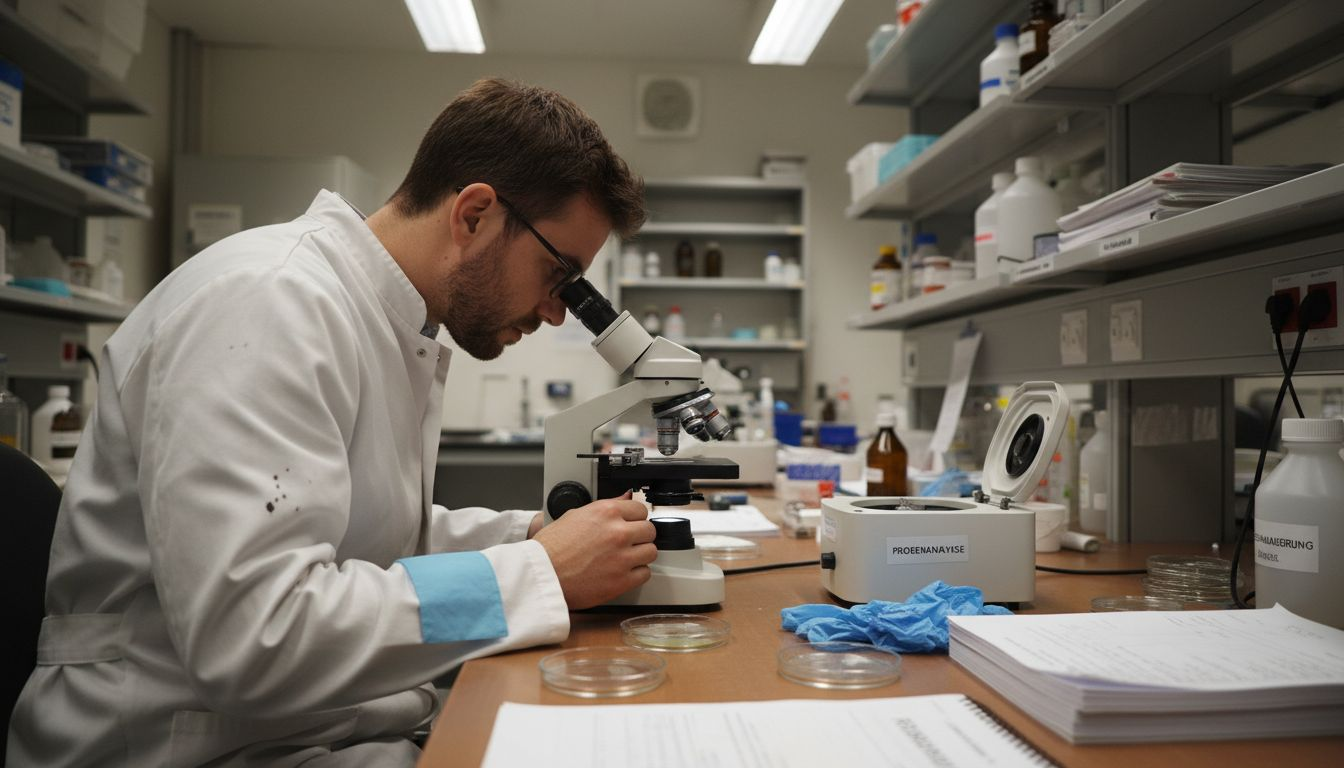
Saliva tests score points for their ease of use. They require only a saliva sample, which is collected at home. However, they primarily reflect the current situation in the oral cavity, not systemic nutrient status. For comprehensive micronutrient testing, blood tests remain the first choice.
| Test method | Accuracy | Sample material | Time frame | Effort |
|---|---|---|---|---|
| Blood test | Very high | Blood plasma | Current status | Medium |
| Hair analysis | Limited | Strand of hair | Long-term trend | Low |
| Saliva test | Limited | Saliva | Snapshot | Very low |
Blood samples for testing can be collected conveniently at home using sterile collection kits. After activating the lancet, a drop of blood is applied to a test card. The card is sent in a prepaid envelope to an ISO-certified laboratory, where standardized procedures ensure reproducible, scientifically valid results.
Expert tip: Collect blood samples in the morning while fasting. Food intake and physical activity can temporarily affect mineral levels and distort measurements. For maximum comparability, follow-up tests should be conducted under identical conditions.
Modern laboratories use automated analysis systems that minimize human error. Results are presented in clear reports that compare your levels with scientifically established reference ranges. This allows you to see at a glance where optimization is needed.
Which mineral deficiencies are common, and why?
Magnesium and vitamin D deficiencies are among the most common deficiencies in Germany. Estimates suggest that up to 60% of the population has suboptimal magnesium levels, often without realizing it. Vitamin D deficiency affects the majority of people, particularly in winter, because there is insufficient sunlight exposure for the body’s own synthesis.
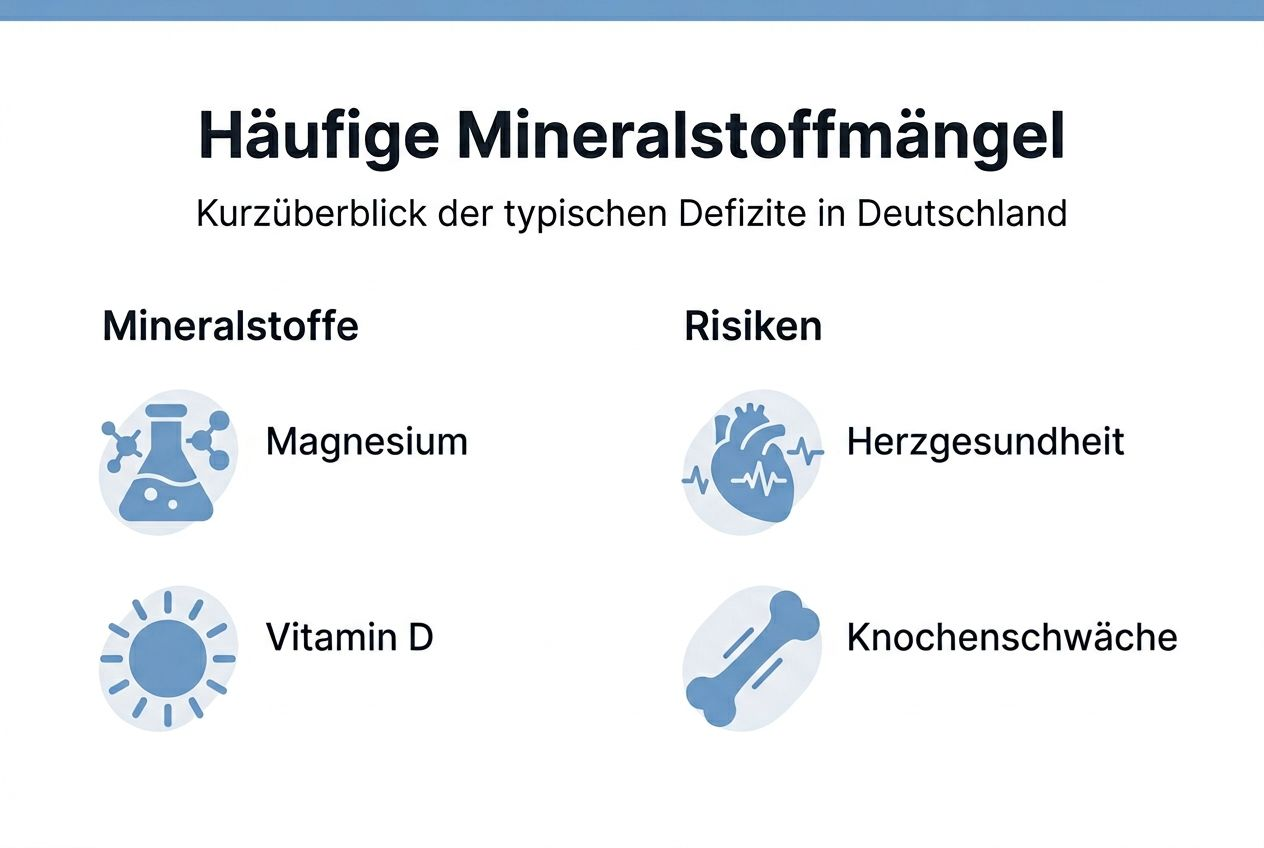
These deficiencies rarely manifest through clear-cut symptoms. Instead, diffuse complaints such as chronic fatigue, poor concentration, or increased susceptibility to infections may occur. Mineral deficiency can impair immune function by up to 40%, drastically increasing susceptibility to infections.
Typical warning signs of mineral deficiencies:
- Persistent lack of energy despite sufficient sleep
- Muscle weakness, cramps, or twitches
- Brittle nails, hair loss, or pale skin
- Frequent colds and prolonged recovery times
- Concentration problems and mental sluggishness
The causes of widespread deficiencies are varied. Modern diets often contain fewer minerals than in the past because intensive agriculture depletes the soil. Processed foods lose important nutrients during production. In addition, stress, exercise, and certain medications significantly increase the body’s mineral requirements.
“Mineral deficiencies develop gradually over months or years. When symptoms appear, stores are often already critically depleted. Preventive testing enables intervention before irreversible damage occurs.”
Undetected deficiencies accumulate health risks. Long-term magnesium deficiency, for example, increases the risk of cardiovascular disease, diabetes, and osteoporosis. Vitamin D deficiency is associated with autoimmune diseases and a higher incidence of cancer. Regular testing can interrupt this silent disease process.
Symptoms of mineral deficiencies often overlap with other health problems. Therefore, self-diagnosis remains prone to error. Objective laboratory testing provides clarity and prevents unnecessary supplementation when levels are actually normal.
Common misconceptions about mineral tests
Many people believe mineral tests are only necessary when clear disease symptoms are present. This assumption ignores the preventive value of early diagnosis. Deficiencies develop gradually—when noticeable symptoms appear, deficiencies have usually existed for a long time. Proactive testing enables intervention before symptoms arise.
A second misconception concerns self-directed supplementation without prior testing. Many people turn to multivitamin supplements in the hope of improving their health. However, uncontrolled intake can be harmful. Overdosing on fat-soluble vitamins or minerals such as iron carries toxicity risks. Some nutrients also compete for absorption—for example, zinc inhibits copper absorption.
Steps for safe supplementation:
- Conduct a baseline test to identify actual deficiencies
- Calculate the dosage based on individual test results
- Choose high-quality, bioactive supplements that guarantee optimal bioavailability
- Take a follow-up test after 8–12 weeks to monitor progress
- Adjust the strategy as needed based on objective measurements
Hair mineral analyses are often promoted as an equivalent alternative to blood tests. Scientifically, this equivalence is problematic. External contamination from cosmetics, regional water quality, or occupational exposure can significantly distort hair samples. Without strict standardization, results are difficult to interpret.
Pro tip: Never rely exclusively on a single test. Mineral levels fluctuate due to diet, stress, and time of day. Repeated measurements several months apart provide more reliable trends than individual readings. Always interpret results in the context of dietary habits and lifestyle.
Professional guidance from qualified nutritionists or medical professionals is essential. Laboratory values alone do not tell the whole story. Individual factors such as absorption, genetic variants, or medication interactions affect how your body uses nutrients. Testing for nutrient deficiencies with symptom comparison combines objective data with clinical expertise.
Personalized health through mineral analysis
Personalized nutrition recommendations based on test results outperform general dietary guidelines. Instead of generic advice, you receive precise instructions on which nutrients you need and in what amounts. This specificity maximizes effectiveness and minimizes wasted resources.
Targeted supplementation takes energy and performance to new levels. Athletes report improved recovery and endurance after mineral deficiencies have been corrected. Magnesium optimizes muscle contraction, zinc promotes protein synthesis, and iron increases oxygen transport—all measurable and controllable.
mybody® offers ISO-certified analyses with comprehensive consultation. After evaluating your test results, you receive not only laboratory values but also specific recommendations for action. Which foods should you prioritize? Which supplements, and at what dosage? How long does it take to replenish stores? Professional support turns data into results.
Benefits of personalized mineral optimization:
- Increasing vitality and mental focus through targeted nutrient intake
- Improving physical performance and recovery speed
- Strengthening the immune system and reducing susceptibility to infections
- Preventing chronic diseases through early correction of deficiencies
- Preventing side effects through tailored dosages
Regular monitoring enables dynamic adjustment of your strategy. Your nutrient needs change with age, stress levels, training intensity, and health status. Quarterly or semiannual tests show whether your measures are working or need adjustment. This adaptive approach ensures sustainable optimization.
The benefits of personalized nutrition go beyond mineral balance. Integrated approaches take genetics, the microbiome, and metabolism into account. The reasons for personalized nutrition through analysis are scientifically grounded and clinically validated.
Choosing the right supplements requires expertise. Not all products are equal—bioavailability, purity, and formulation vary considerably. Choosing supplements correctly means favoring evidence-based products that actually work.
Mineral tests as part of preventive healthcare
Regular mineral tests establish proactive health management. Instead of reacting to disease symptoms, you actively manage your nutrient supply. This preventive approach reduces long-term health risks and measurably improves quality of life.
Prevention of chronic diseases begins at the cellular level. Mineral deficiencies impair DNA repair, antioxidant defenses, and inflammation control. Early correction of these deficiencies interrupts disease development before pathological changes become irreversible. Investing in tests today saves on medical costs tomorrow.
Data protection and anonymity are non-negotiable with reputable providers. Samples are processed using pseudonyms, and personal data is protected according to GDPR standards. After analysis, biological materials are properly destroyed. These security measures ensure that your sensitive health information remains confidential.
ISO certification signals laboratory quality and methodological reliability. Accredited facilities are subject to strict quality controls and regular audits. Standardized procedures ensure reproducible results, regardless of the time or test batch. Only certified laboratories provide data on which you should base healthcare decisions.
Core elements of modern preventive healthcare with mineral tests:
- Baseline assessment to establish your individual nutrient profile
- Periodic monitoring to track long-term trends
- Targeted interventions based on objective measurements
- Integration with other biomarkers for a holistic health profile
- Continuous optimization through data-driven decisions
| Testing frequency | Target group | Main objective |
|---|---|---|
| Annually | Healthy adults | Baseline monitoring, prevention |
| Every six months | Active athletes | Performance optimization |
| Quarterly | People with deficiencies | Treatment monitoring |
| As needed | Pregnant women, people who are ill | Specific monitoring |
Scientific at-home blood tests democratize access to precise diagnostics. What once required time-consuming doctor visits can now be done conveniently and discreetly at home. This accessibility lowers barriers and promotes health-conscious behavior.
Mineral tests are not a luxury but a necessity for modern preventive healthcare. In a world of nutrient-poor foods, chronic stress, and environmental pollutants, they provide objective guidance. Knowing your mineral status allows you to optimize it purposefully. Blind supplementation, on the other hand, can put your health at risk.
How mybody® supports you in preventive healthcare
mybody® combines scientific excellence with practical accessibility. Our ISO-certified mineral tests analyze your samples in accredited Swiss laboratories according to the highest standards. You receive not only precise measurements, but also easy-to-understand reports with specific recommendations for action.
Samples are collected conveniently at home using user-friendly test kits. Results are available within a few days, showing you where there is room for improvement. Personal advice from qualified experts helps you interpret your test results and implement effective strategies.
Regular monitoring through follow-up tests objectively documents your progress. This lets you see in black and white how targeted dietary changes or supplementation are working. Through mybody®x, you can access your test history at any time and track long-term trends. Health optimization becomes measurable, controllable, and sustainable.
Frequently asked questions
Why are mineral tests important?
Mineral tests identify hidden nutrient deficiencies before symptoms appear. Nearly half of the population has deficiencies that impair energy, immune function, and long-term health. Without objective measurement, you are navigating in the dark—tests provide the data basis for evidence-based health decisions. They enable targeted interventions instead of blanket assumptions.
Which testing method provides the most reliable results?
Blood tests measure mineral concentrations directly in blood plasma and offer the highest scientific accuracy. Hair mineral analyses show long-term trends but are subject to methodological limitations due to external contamination. Saliva tests are practical but primarily reflect local conditions, not systemic supply. For comprehensive diagnostics, blood tests remain the gold standard.
Are mineral tests useful even without symptoms?
Yes, absolutely. Many deficiencies develop gradually over months or years without noticeable warning signs. When symptoms appear, reserves are often critically depleted. Preventive testing enables early intervention before irreversible damage occurs. This allows you to proactively optimize your health instead of reactively treating diseases.
How safe and confidential are the test results?
Reputable providers such as mybody® guarantee the highest data protection standards under the GDPR. Samples are processed pseudonymously, and biological material is destroyed after analysis. ISO-certified laboratories are subject to strict quality controls and confidentiality policies. Your sensitive health data remains protected and is never shared without your consent.
Recommendation
- Recognize nutrient deficiencies: How to test your deficiencies in autumn – mybody®x
- Test for nutrient deficiencies and specifically address them – mybody®x
- Get your micronutrient levels tested and specifically address deficiencies – mybody®x
- Test for nutrient deficiencies: Recognize symptoms & specifically address deficiencies – mybody®x
- How to detox your body in 2026: 65% more well-being - YourPowerFoods.com



Share now:
Understand important blood values and test them easily at home
Analyze your blood test results: Understand your body better